


Let’s be honest. If you are reading this, you are probably tired of vague pricing and endless jargon. You just want to know what an air source heat pump cost UK residents are realistically looking at in 2026. You want to know if it is worth the investment, what actually affects the price, and how much you will pay to rip out your old gas boiler and embrace renewable heating.
The short answer is that prices vary because houses vary. A draughty Victorian semi in Manchester will need a very different setup to a new-build flat in London. But we hate dodging the question just as much as you hate hearing “it depends”.
In this guide, we are going to break down typical 2026 cost ranges for equipment and installation. We will look at running costs compared to traditional boilers, what actually pushes quotes up or down, and the grant situation right now. By the end, you will know exactly what to look for, and how to get a tailored, honest estimate from us at Lloyds Gas.
The 2026 snapshot: what you’ll typically pay in the UK
Before we get into the nitty-gritty, let’s look at a realistic starting point. Please remember that these numbers are a guide, not a prophecy.
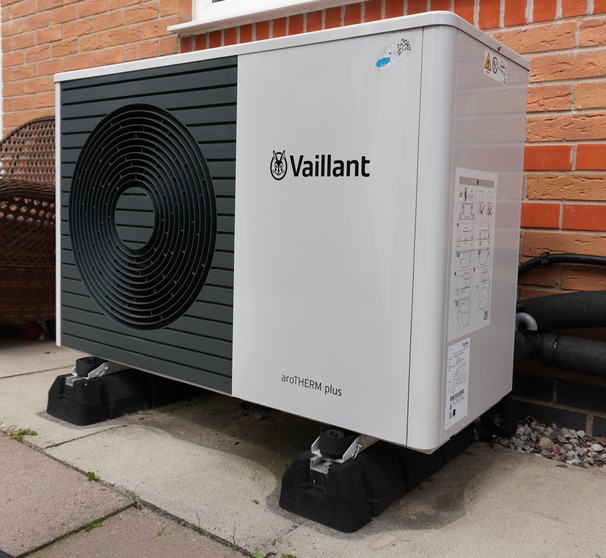
Typical air source heat pump cost UK (supply + install)
For a standard air source heat pump installation price 2026, you are generally looking at three brackets:
- Budget (around £7,000 to £9,000): Usually for smaller, well-insulated properties requiring minimal pipework changes.
- Average (around £9,000 to £13,000): The sweet spot for most standard 3-bed homes requiring a new cylinder and a few upgraded radiators.
- Premium (around £13,000 to £18,000+): Larger homes, complex pipework, premium unit brands, or extensive system redesigns.
What’s included in an ASHP installation cost UK quote?
A proper quote from a reputable installer shouldn’t just be a number scribbled on a napkin. It should clearly list:
- A full home survey and heat loss assessment.
- The heat pump unit, a suitable hot water cylinder (if needed), and modern heating controls.
- Necessary pipework, valves, and a buffer tank or low loss header (but only if technically justified).
- Full commissioning, system balancing, and a proper handover.
- Making good. We always try to be honest about what is and isn’t included when it comes to patching up brickwork or lifting carpets.
If you want a more accurate number for your specific property, we can give you a fast, free estimate. Just head over to our Heat pumps page or contact us directly.
Why heat pump quotes vary (and why that’s not installers being mysterious)
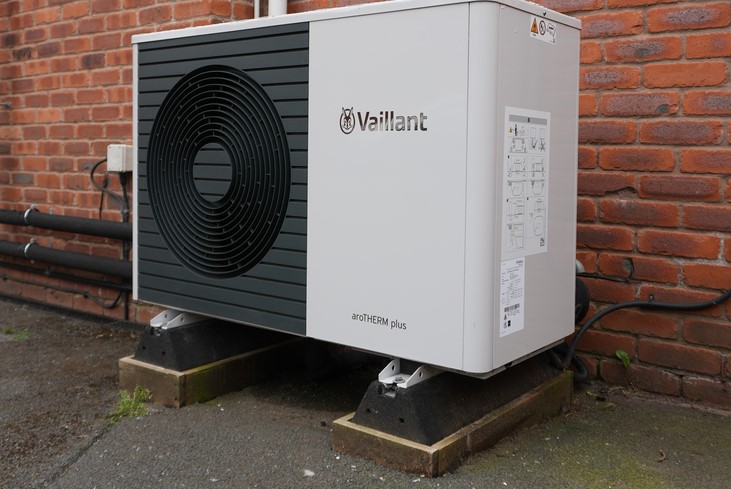
At Lloyds Gas, we pride ourselves on a bespoke service. We are system design specialists and proud Heat Geeks. We don’t just guess what size pump you need; we calculate it. Here is what actually dictates your final bill.
Property size and heat loss (the real driver)
Your insulation levels, draughts, and glazing directly impact the size of the heat pump you need. A leaky house needs a bigger, more expensive pump to stay warm. Fixing your insulation first is often the smartest financial move you can make.
Emitter suitability (radiators and/or underfloor heating)
Heat pumps run at lower flow temperatures than gas boilers. Because the water isn’t as boiling hot, you need a larger surface area to heat the room. This means you might need to upsize some of your existing radiators or install underfloor heating. “It’ll be fine” is not a design strategy we accept.
Hot water demand and cylinder choices
Your hot water setup matters. A family of five taking long showers will need a larger cylinder with faster recovery times than a couple living in a flat. The size and specification of this cylinder change the total cost.
Pipework, electrics, and the ‘hidden’ bits
Sometimes your consumer unit needs an upgrade to handle the new electrical load. We also have to route condensate pipes, find a suitable external location for the unit, and ensure noise regulations are met. These practicalities take time and materials.
System design quality (aka where money is well spent)
Good system design is where you actually save money long-term. As Heat Geeks, we focus on optimal flow temperatures, perfect hydraulics, precise pipe sizing, and expert system balancing. Better design equals better efficiency, which translates directly to lower energy bills for you.
Cost by home type (examples people actually search for)
These scenarios are purely illustrative. We always encourage a tailored assessment for your specific home.
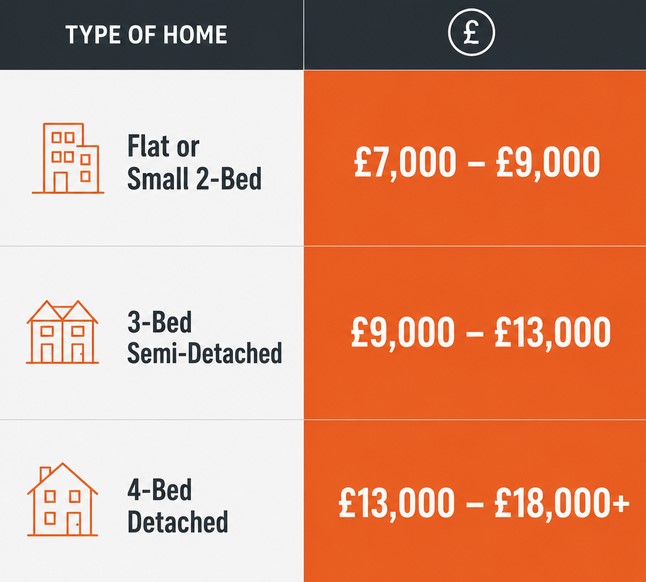
Typical costs for a flat or small 2-bed
These are usually the best-case scenarios. Heat loss is generally low. Assuming your radiators are suitably sized, you might be looking at the lower end of the spectrum, around £7,000 to £9,000.
Typical costs for a 3-bed semi
This is the most common scenario we see. You will likely need a new hot water cylinder and a handful of upgraded radiators. The system design takes a bit more thought to ensure efficiency. Expect costs to sit in the £9,000 to £13,000 bracket.
Typical costs for a 4-bed detached
Complex cases often involve larger detached homes. You have more outside walls, higher heat loss, and you might need extensive pipework upgrades or a premium, high-output unit. Costs here frequently range from £13,000 to £18,000 or more.
Running costs in 2026: will it save you money?
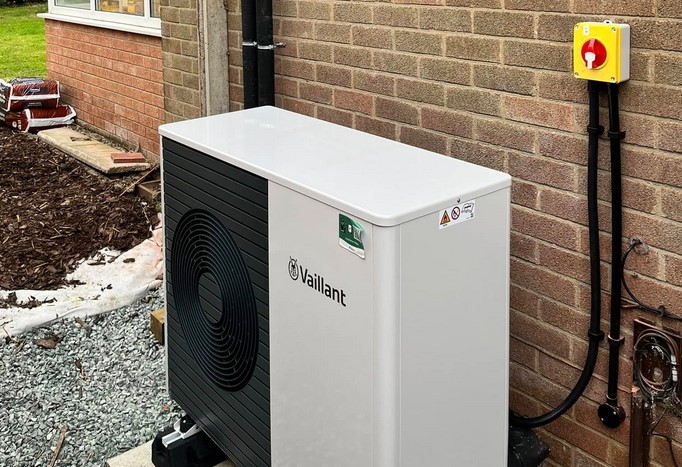
Efficiency entirely depends on brilliant system design and running temperatures. A badly installed heat pump will cost a fortune to run. A well-designed one is a marvel.
The short version: efficiency (SCOP), flow temps, and your tariff
Your Seasonal Coefficient of Performance (SCOP) dictates your efficiency. If your SCOP is 4.0, you get four units of heat for every one unit of electricity you pay for. Combine a high SCOP with a smart EV or heat pump energy tariff, and your running costs plummet.
Heat pump vs gas boiler costs (what to compare fairly)
You cannot compare a highly efficient, brand-new heat pump to a 15-year-old boiler that is on its last legs. A modern heat pump, designed correctly, is generally highly competitive against gas prices, especially if you utilise smart tariffs and solar panels.
How to nudge running costs down
- Run your system at lower flow temperatures where possible.
- Use weather compensation controls so the pump adjusts to the outside temperature automatically.
- Zone your heating sensibly.
- Sort out your insulation. Quick wins like loft insulation make a huge difference.
Installation timeline and what the process looks like with us
With over 100 five-star reviews, our bespoke design approach ensures you are never left in the dark.
Step 1: initial chat and suitability check
We start with a friendly, no-pressure conversation to see if your property is actually suitable for a heat pump.
Step 2: survey and heat loss calculation (the non-negotiable bit)
We visit your home to measure rooms, windows, and radiators. This calculation is vital to ensure you get the right size unit.
Step 3: design (where comfort and efficiency are decided)
Our Heat Geek expertise kicks in. We design the hydraulics and calculate the exact flow temperatures needed to keep you cosy.
Step 4: installation and commissioning
Our experienced engineers strip out your old system, fit the new one, and commission it to run at peak efficiency.
Step 5: handover, settings, and aftercare
We walk you through exactly how to use your new controls and ensure you are completely happy before we leave. If you want a fast, free estimate to get this process started, we can do that easily.
Grants, finance, and incentives in 2026 (without the crystal ball)
Government schemes change frequently, so we always avoid making wild promises. However, we help you navigate the paperwork.
Common UK support schemes (what they usually cover)
Historically, schemes like the Boiler Upgrade Scheme have provided upfront grants to reduce the initial sting of the installation cost. We always encourage checking the latest eligibility rules online.
What paperwork and standards matter
To access most grants, you must use a certified MCS heat pump installer. We handle the compliance side so you don’t have to worry about missing out on funding due to a paperwork error.
Why a cheap install can be the expensive option later
A cheap, rushed installation usually means poor design. Poor design guarantees higher running costs, cold rooms, and potential mechanical failures. Paying for quality design upfront saves you thousands over the lifespan of the system.
How to get an accurate quote (and avoid being bamboozled)
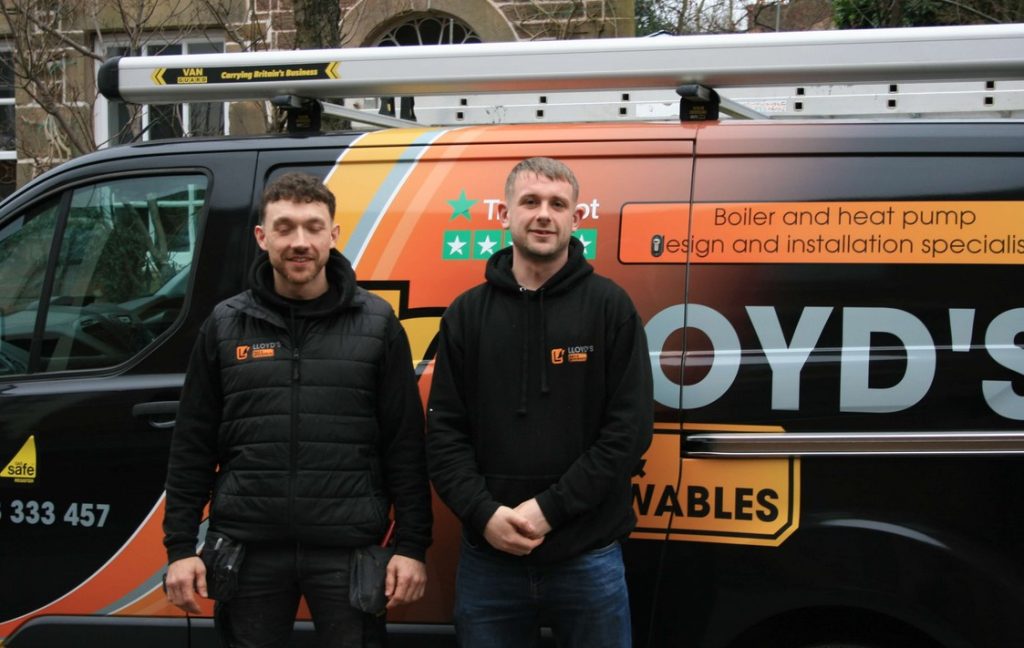
Knowing what to ask prevents you from being sold a lemon.
What we’ll ask you
When you contact us, we will ask about your current system, insulation levels, property details, how many people live there, and your hot water needs.
What you should ask any installer
Always ask: Have you done a full room-by-room heat loss calculation? What is the design flow temperature? Have you checked my emitters? What is the commissioning plan?
Red flags to watch for
Run away from any installer who offers one-size-fits-all sizing, refuses to discuss system design, or skips mentioning system balancing and controls.
Frequently asked questions
What is the average air source heat pump cost UK in 2026?
While it varies, a typical 3-bed semi-detached home usually costs between £9,000 and £13,000 to fully supply and install.
What does ASHP installation cost UK usually include?
A proper quote includes the unit, a hot water cylinder, updated controls, necessary pipework, a full heat loss survey, and professional commissioning.
Do I need new radiators for an air source heat pump?
Not necessarily all of them. Because heat pumps use cooler water than boilers, you may need to upgrade some radiators to larger sizes to adequately heat the room.
Is an air source heat pump cheaper to run than a gas boiler in 2026?
Yes, provided it is designed correctly. A highly efficient system (high SCOP) paired with a smart energy tariff is generally cheaper to run than a traditional gas boiler.
How long does an air source heat pump installation take?
Most standard installations take between 3 to 5 days, depending on how much pipework and radiator upgrading is required inside the house.
Will a heat pump work in freezing weather (like proper British cold)?
Absolutely. Modern heat pumps are incredibly resilient and can extract heat from the air even when temperatures drop as low as -20°C.
How noisy is an outdoor heat pump unit?
They are much quieter than people think. Modern units operate at a low hum, similar to the sound of a modern refrigerator, and must comply with strict UK noise regulations.
What maintenance does an air source heat pump need, and what does it cost?
They need an annual service to check the fans, clean the filters, and ensure the antifreeze levels are correct. A service typically costs between £150 and £250.
Can I get a quick estimate without a full site visit?
Yes, you can. We have a fast and free estimate tool on our website that gives you a solid ballpark figure before committing to a home survey.
How do I choose a good heat pump installer?
Look for system design expertise. Choosing an installer with Heat Geek accreditation ensures your system is mathematically designed for maximum efficiency, not just guessed.
Ready for a proper estimate?
Upgrading your heating system is a big decision, but it shouldn’t be a stressful one. You need an installer who prioritises meticulous system design, honest pricing, and long-term efficiency over a quick sale.
If you are ready to find out exactly what an air source heat pump will cost for your specific home, we would love to help.
Get in touch with us at Lloyds Gas via our Contact page, or give us a call for a friendly, no-pressure chat and a tailored estimate.